
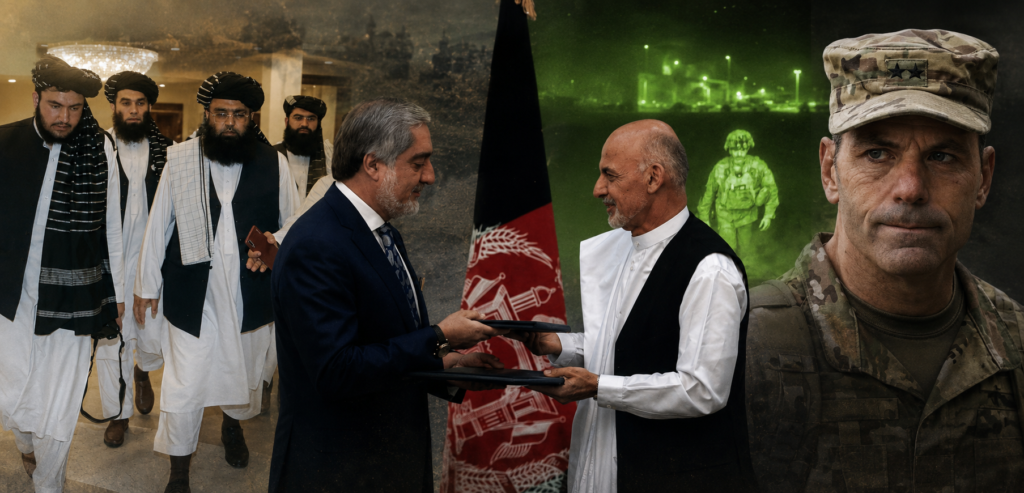
The timeline highlights key political, military, and social developments that have shaped Afghanistan since 1973. From the fall of the monarchy and the Soviet invasion to the rise of the Taliban, the international intervention after 2001, and the return of the Taliban in 2021, these events help explain how Afghanistan arrived at its current position.
Phase I (1973-1991): Coups, Revolutions, and Soviet Occupation
July 17, 1973: Daoud Khan’s Coup and the End of the Monarchy
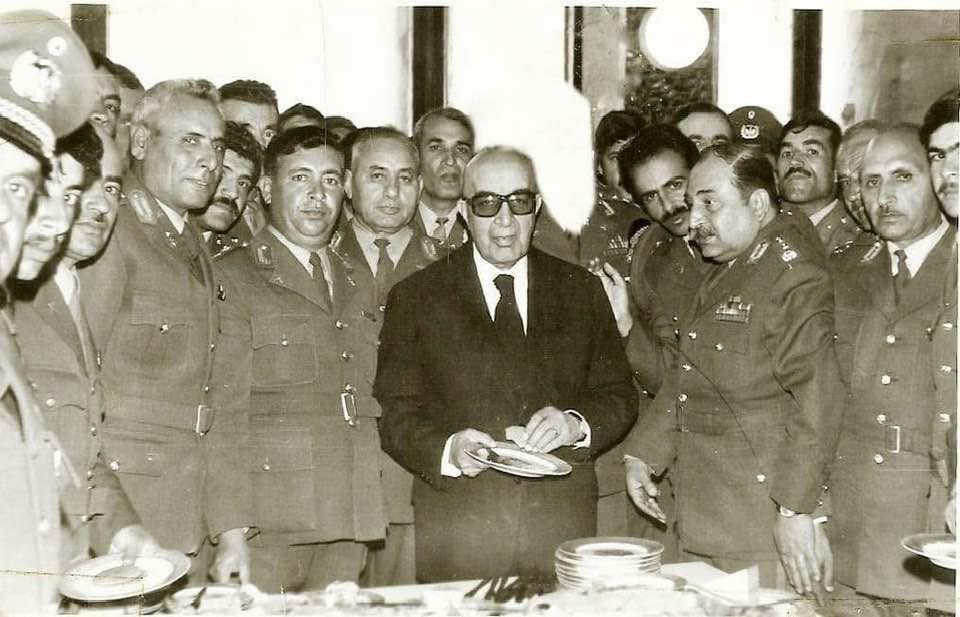
Mohammad Daoud Khan proclaiming the Republic of Afghanistan, 1973.
On July 17, 1973, Mohammad Daoud Khan overthrew King Zahir Shah in a bloodless coup, abolishing the monarchy and declaring a republic. His government pursued modernization and economic reforms while promoting Pashtun nationalism, which contributed to tensions with Pakistan. Growing repression and conflict with the communist People’s Democratic Party of Afghanistan (PDPA) left Daoud politically isolated by 1978.
April 27, 1978: The Saur Revolution
On April 27-28, 1978, PDPA’s Khalq faction, led by Nur Mohammad Taraki, overthrew Daoud Khan in a violent coup, executing him and his family. Taraki’s Marxist reforms—land redistribution, expanded women’s rights, and anti-clerical policies—met strong rural resistance, triggering mass arrests, purges, and widespread unrest that destabilized the nation.
December 27, 1979: Soviet Invasion
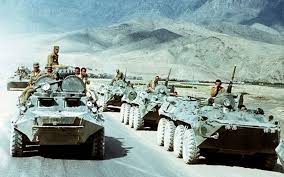
Soviet tanks enter Kabul, 1979.
1980 – 1985: Internationalized Insurgency
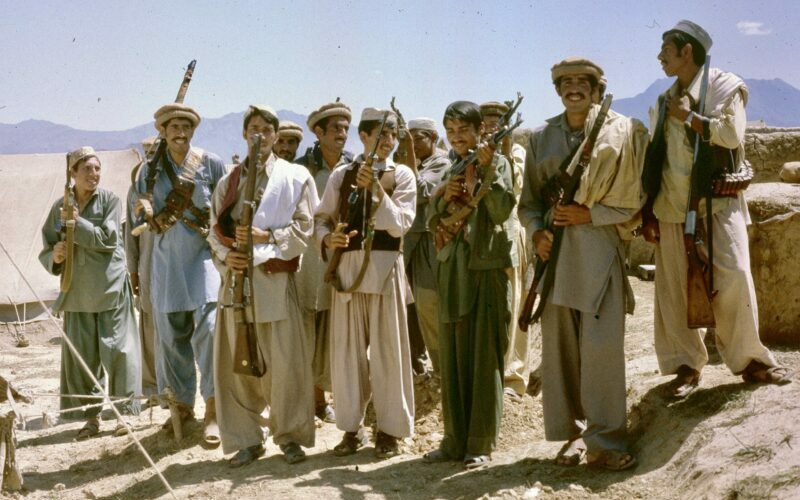
Throughout the 1980s, Mujahideen factions such as Hezb-e-Islami and Jamiat-e-Islami received substantial foreign support through Pakistan’s Inter-Services Intelligence (ISI). Under Operation Cyclone, the United States and Saudi Arabia provided billions of dollars in assistance to anti-Soviet resistance groups. Despite repeated UN mediation efforts, fighting continued across much of the country, contributing to growing civilian casualties and extensive destruction.
April 1986: Najibullah’s Presidency
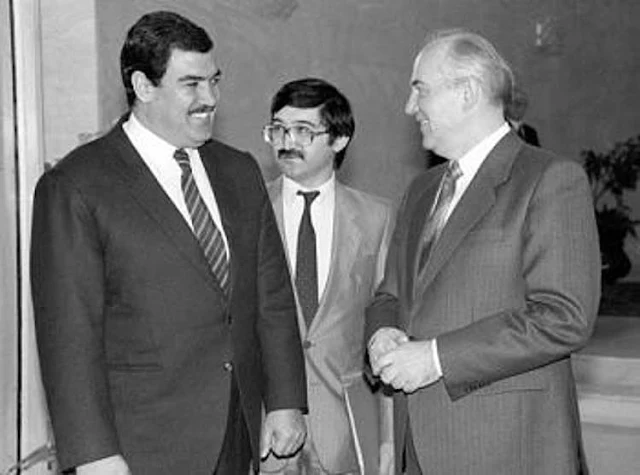
President Najibullah greets Soviet General Secretary Mikhail Gorbachev, 1987
In May 1986, the Soviets replaced Babrak Karmal with Dr. Najibullah, the former head of KHAD, Afghanistan’s state intelligence and security agency. Najibullah introduced a “national reconciliation” policy in January 1987, offering amnesty, a new constitution, and a coalition government. However, the initiative failed to gain sufficient support from major Mujahideen factions as Mikhail Gorbachev accelerated plans for Soviet withdrawal from Afghanistan.
April 14, 1988: The Geneva Accords
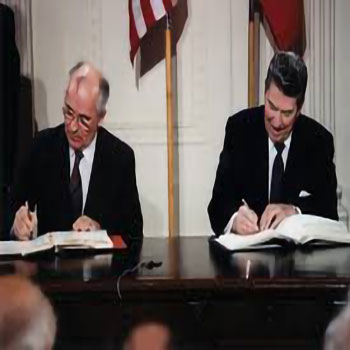
The U.S., and Soviet Union sign the accords in Geneva.
The 1988 UN-brokered Geneva Accords formalized the Soviet withdrawal timeline and included non-interference pledges between Afghanistan, Pakistan, the United States, and the Soviet Union. The agreement was criticized by many Mujahideen groups because they were not included in the
negotiations, and it did little to reduce cross-border fighting. While it ended direct Soviet involvement in Afghanistan, the civil war continued. The withdrawal began in May 1988 and concluded on February 15, 1989.
February 15, 1989: Soviet Withdrawal
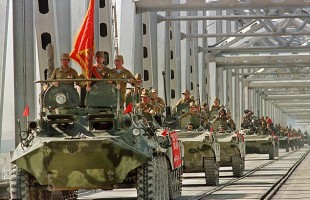
Soviet soldiers cross the Amu Darya River on the “Friendship Bridge”, ending a decade of occupation.
On February 15, 1989, General Boris Gromov crossed the Amu Darya River as the last Soviet soldier to leave Afghanistan, marking the end of the Soviet military withdrawal. The Geneva Accords of 1988 had paved the way for the withdrawal process. The departure of Soviet forces brought nearly a decade of direct Soviet military involvement in Afghanistan to a close, leaving Najibullah’s government to continue fighting without Soviet troops on the ground.
1990 – 1991: Collapse of Soviet Aid
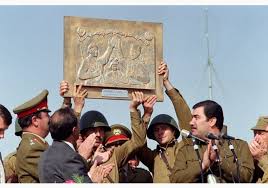
Najibullah faces mounting isolation as Soviet aid dwindles, Kabul, 1991.
After the Soviet Union disintegrated in December 1991, Najibullah faced severe military and economic shortages as Moscow’s aid abruptly ceased. Political isolation deepened when key commanders like Abdul Rashid Dostum defected to the Mujahideen. As resistance forces advanced on Kabul, UN mediator’s efforts to broker a transition through a neutral interim council ultimately failed.
Phase II — 1992 to 2001: Civil War, the Rise of the Taliban, and Global Impact
April 1992: Fall of Najibullah and Rise of the Islamic State of Afghanistan
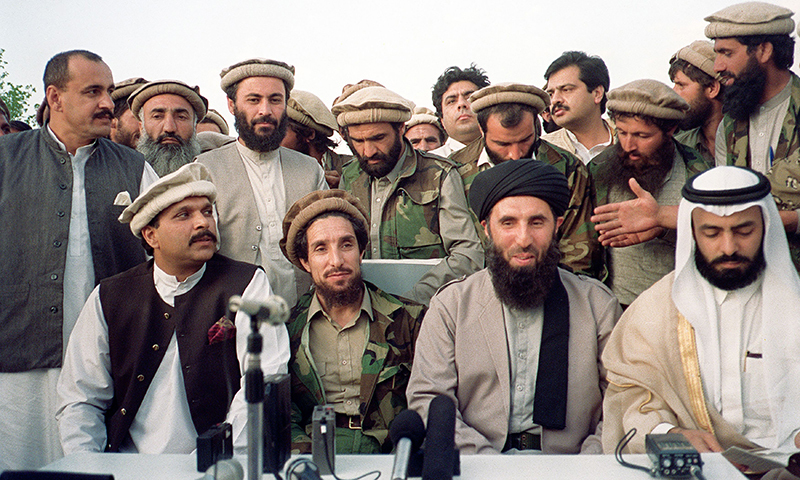
Mujahideen leaders sign the Peshawar Accord, declaring an Islamic transitional state, 1992.
On April 28, 1992, Mujahideen factions entered Kabul following the collapse of Najibullah’s government and established the Islamic State of Afghanistan under interim president Sibghatullah Mojaddedi, who was later succeeded by Burhanuddin Rabbani. The Peshawar Accord soon broke down amid factional infighting. Fighting between rival Mujahideen groups, including Hezb-e-Islami forces led by Gulbuddin Hekmatyar, caused widespread destruction in Kabul and resulted in tens of thousands of civilian deaths.
1994: Emergence of the Taliban
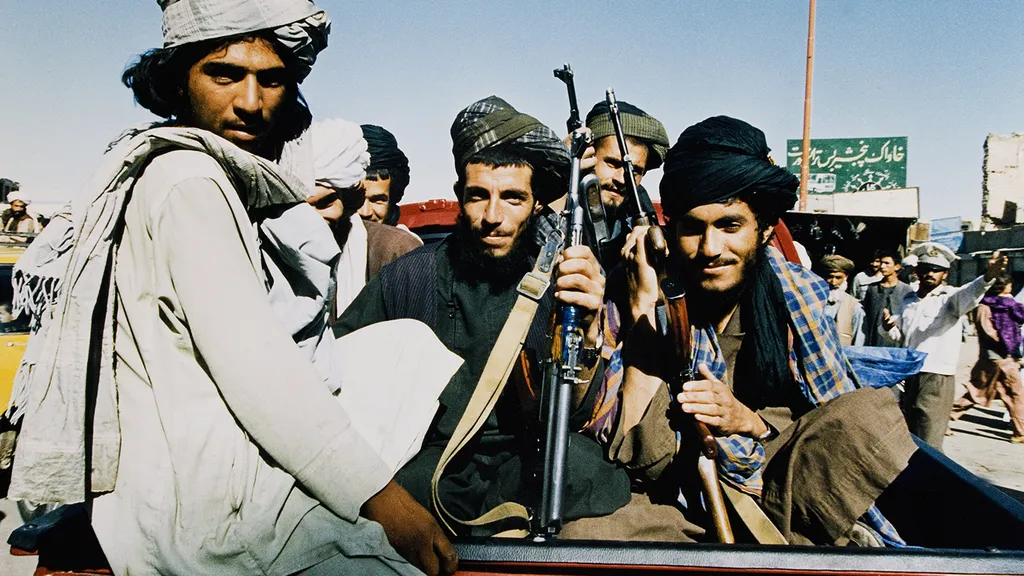
Early Taliban militia, 1994.
From southern Kandahar madrassahs, the Taliban movement emerged in autumn 1994 under Mullah Mohammad Omar, promising security, justice, and Islamic order to end warlord chaos. They quickly seized Kandahar and captured Herat by September 1995. Pakistan’s ISI provided critical military and logistical support, viewing the movement as an important actor in Afghanistan’s future political landscape.
September 1996: Taliban Capture Kabul
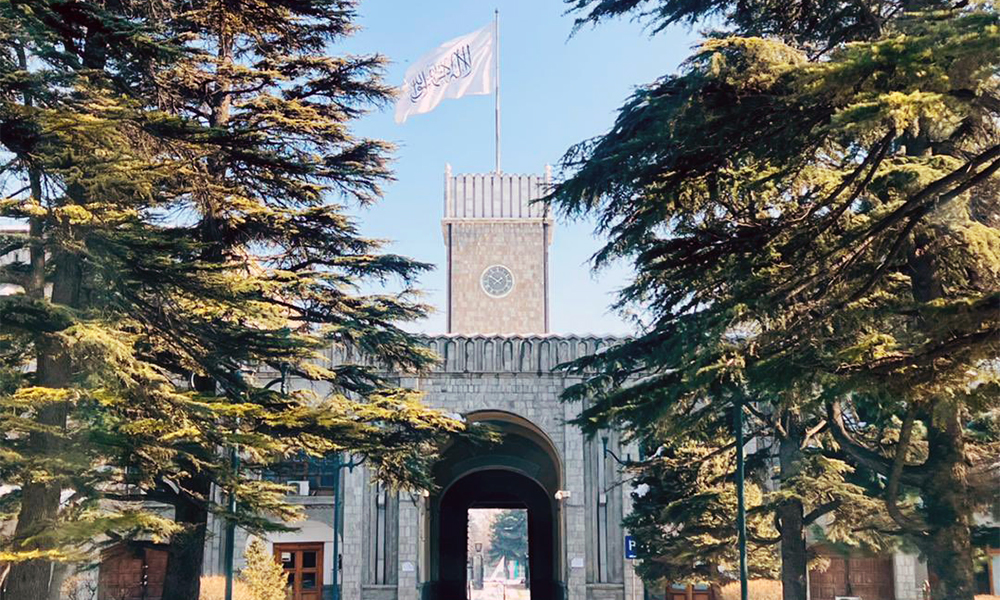
Taliban raise their flag atop Kabul’s Presidential Palace, 1996.
On September 27, 1996, Taliban fighters seized Kabul, dragging former President Najibullah from his UN sanctuary and executing him publicly. Mullah Mohammed Omar declared the Islamic Emirate of Afghanistan, imposing strict Sharia law. Women were immediately banned from education and employment, while strict dress codes and public punishments like stoning became regime features. Only Pakistan, Saudi Arabia, and the UAE recognized the new regime.
1998: Massacres in Mazar‑i‑Sharif
Mass graves uncovered in Mazar‑i‑Sharif after Taliban assaults, 1998.
In 1997 and 1998, Taliban forces carried out large-scale killings of Hazara Shia communities in Mazar-e-Sharif, Hazarajat, and Bamiyan, resulting in thousands of deaths after temporary defeats to the Northern Alliance. During the same period, Al-Qaeda expanded its presence in Afghanistan under Taliban protection, establishing training camps that attracted international concerns and eventually led to UN sanctions under its Security Council Resolution 1267 imposing sanctions, arms embargoes, and deepening the regime’s international isolation.
1999 – 2000: UN Sanctions and Famine
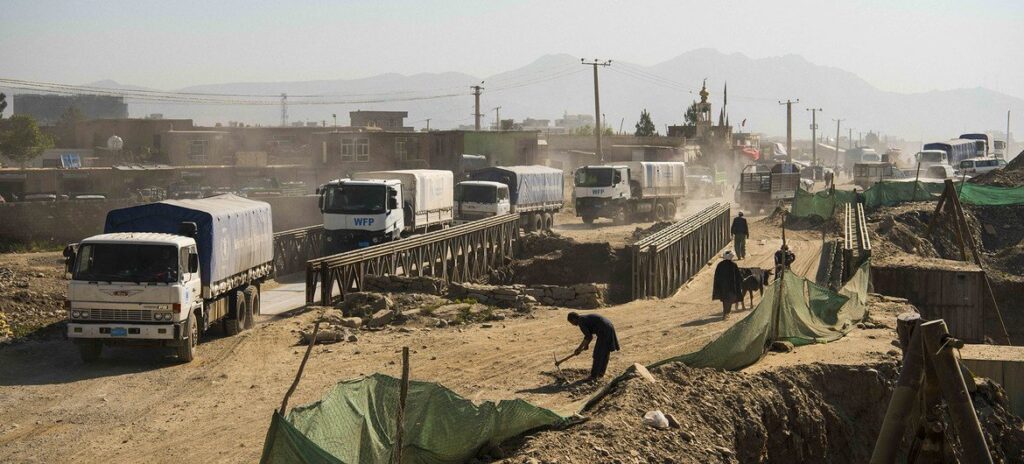
UN convoys delivering food aid amid drought and Taliban blockades, 2000.
UN Security Council Resolutions 1267 (October 1999) and 1333 (December 2000) imposed asset freezes, travel bans, and an arms embargo on the Taliban for harboring al-Qaeda and refusing to surrender Osama bin Laden. The sanctions compounded a devastating three-year drought that had already placed significant pressure on Afghanistan’s economy and agricultural sector. Severe food shortages, malnutrition, and mass displacement pushed Afghanistan toward humanitarian catastrophe.
September 9, 2001: Massoud Assassinated
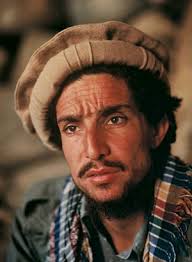
Northern Alliance commander Ahmad Shah Massoud killed by al‑Qaeda operatives, 2001.
On September 9, 2001, al-Qaeda operatives posing as journalists detonated a bomb hidden in their camera during an interview with Northern Alliance commander Ahmad Shah Massoud at his Khwaja Bahauddin compound. Known as the “Lion of Panjshir,” and as one of the Taliban’s principal military opponents, he died from injuries sustained in the attack. His assassination came two days before the September 11 attacks in the United States and significantly weakened the anti-Taliban resistance.
September 11 & October 7, 2001: 9/11 and U.S. Invasion
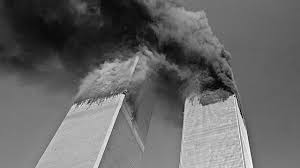
US twin towers at the edge of collapse.
On October 7, 2001, U.S. and British forces launched Operation Enduring Freedom after the Taliban refused to surrender Osama bin Laden. Working with the Northern Alliance, U.S. air power and Special Forces rapidly toppled the Taliban regime by December 2001. The Bonn Agreement (November 27-December 5), endorsed by UN Resolution 1383, established Hamid Karzai’s interim administration to guide Afghanistan’s political transition.
October 7, 2001:Operation Enduring Freedom
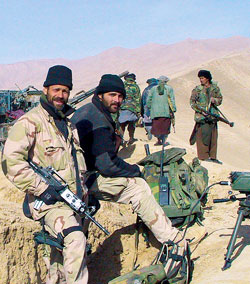
U.S. Special Forces coordinate with Northern Alliance during operation.
US and British forces begin bombing Taliban and al-Qaeda targets, launching America’s longest war. CIA paramilitary teams and special forces link with Northern Alliance commanders, providing air support and gold to persuade anti-Taliban fighters to advance. The combination of precision bombing and Northern Alliance ground offensives shatters Taliban lines, triggering their collapse within weeks. Working alongside Northern Alliance fighters, U.S. air power and special operations units contributed to the rapid collapse of Taliban rule by the end of 2001. Osama bin Laden, however, succeeded in fleeing to Pakistan during the fighting in eastern Afghanistan.
December 5, 2001: Bonn Agreement
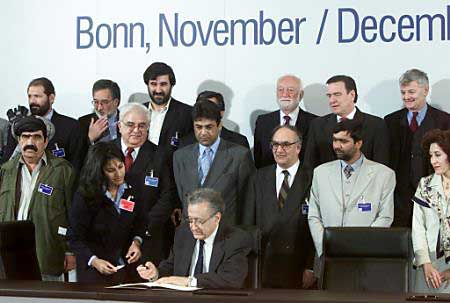
Afghan factions meeting in Germany—excluding the Taliban and other factions such as Hezbe Islami (HIG)—agree on an interim government led by Hamid Karzai, who returned from Pakistan after 9/11. The International Security Assistance Force (ISAF) within the framework of NATO was established, initially confined to Kabul. Iran, seeking influence in post-Taliban Afghanistan, helps broker the deal through its Northern Alliance connections. The Bonn process represents international consensus on Afghanistan’s future but excludes the Taliban entirely, a decision that contributed to the resurgence of Taliban insurgency.
Phase III (2001-2026): State Building, International Intervention, and the Return of the Taliban
January 2004: Constitution Adopted
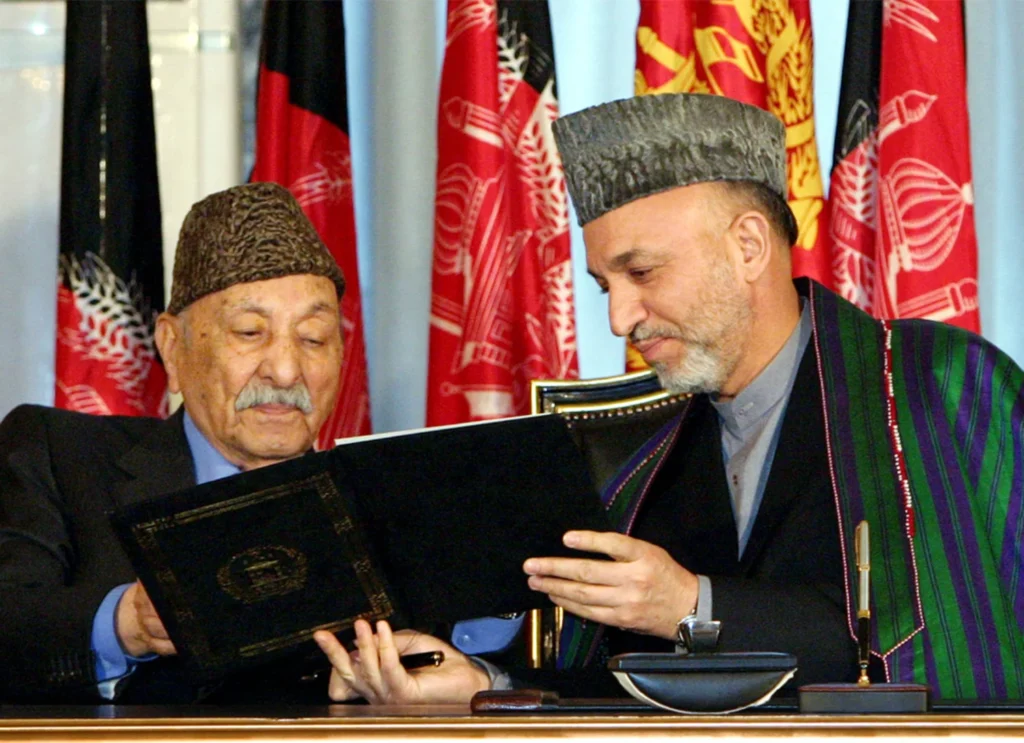
President Hamid Karzai showing the new constitution to former King Zahir shah, 2004.
A 502-delegate Loya Jirga approves Afghanistan’s new constitution, establishing an “Islamic Republic” with a strong presidential system designed to unite the country’s ethnic mosaic. The document guarantees equal rights for men and women—a historic departure from Taliban rule—and reserves seats for women in parliament. President Karzai signs the charter, which centralizes power in Kabul despite concerns from regional leaders and strongmen. The constitution became the legal foundation of Afghanistan’s post-2001 political system and guided the country’s state-building efforts over the following two decades.
October 9, 2004: First Democratic Election
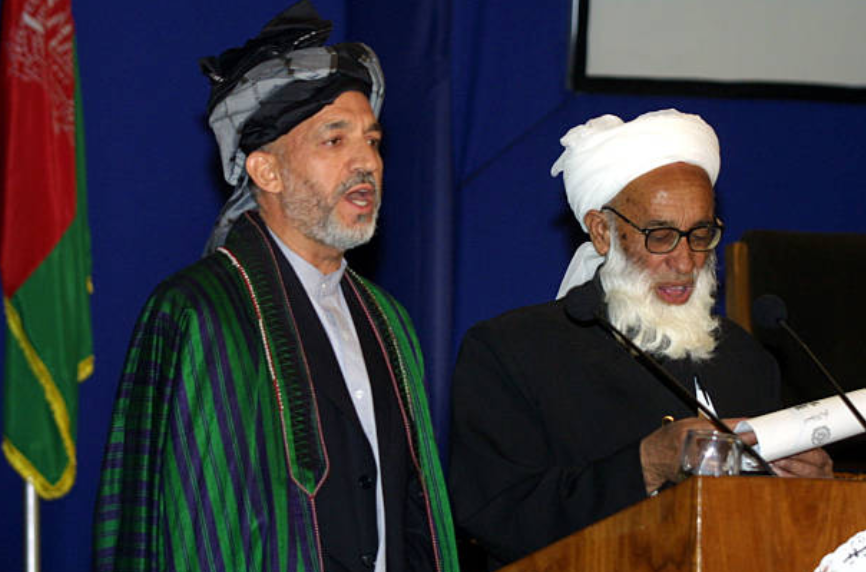
Hamid Karzai sworn in as interim president at Kabul’s Loya Jirga, 2002.
On October 9, 2004, Hamid Karzai became Afghanistan’s first democratic, elected president, winning 55.4% of the vote in historic balloting organized by the Joint Electoral Management Body. More than 8 million Afghans defied Taliban threats to cast ballots, with unprecedented women’s participation in the conservative south regions. The Taliban failed to mount coordinated attacks, marking a milestone since 1969’s parliamentary polls.
2005 – 2009: Insurgency Expansion
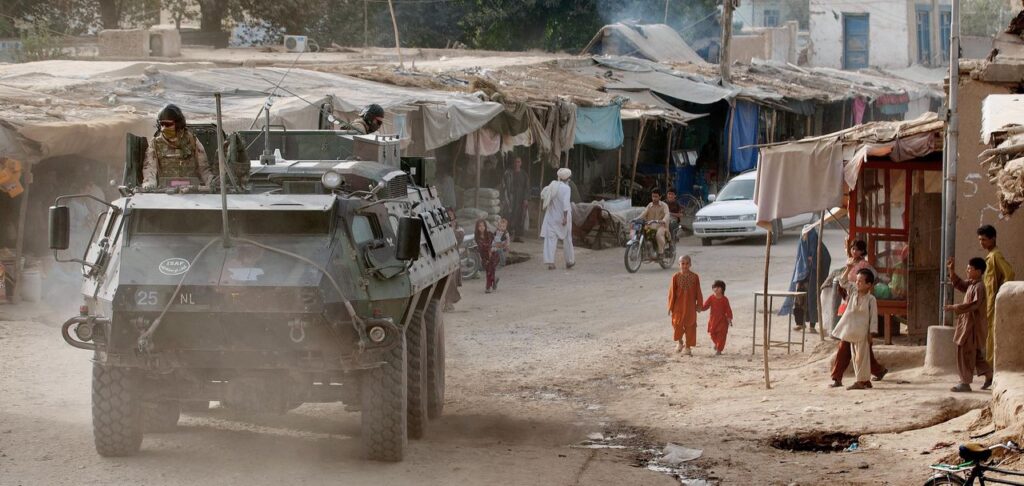
NATO’s ISAF patrol in Kunduz province, 2008.
From southern bases in Helmand and Kandahar, Taliban violence surged into a nationwide insurgency by 2005-2006, exploiting Pakistan’s tribal belt safe havens along the Durand Line. NATO assumed command of southern operations in July 2006. Suicide attacks increased abruptly to 139, while civilian casualties exceeded 1,000 in 2006 alone. Entrenched corruption and weak governance further undermined public trust in Kabul.
December 1, 2009: Obama’s Surge
In a televised speech at the United States Military Academy at West Point, President Barack Obama announced the deployment of 30,000 additional U.S. troops, bringing the American military presence in Afghanistan to around 100,000 personnel. The surge was intended to reverse Taliban gains and improve security, particularly in southern Afghanistan. At the same time, Obama stated that the withdrawal of U.S. forces would begin in July 2011, marking the first clear timetable for a drawdown. While the surge disrupted Taliban networks in several areas, it did not produce lasting territorial gains.
November 2010: Lisbon Transition Plan
At the NATO Lisbon Summit in November 2010, alliance leaders formally agreed to transfer full security responsibility to Afghan forces by the end of 2014, signalling the beginning of a gradual
transition away from direct international military responsibility. NATO announced the timeline as part of the alliance’s long-term strategy for Afghanistan. However, questions remained about whether Afghan security forces would be able to independently manage the country’s security challenges after the withdrawal of international combat forces.
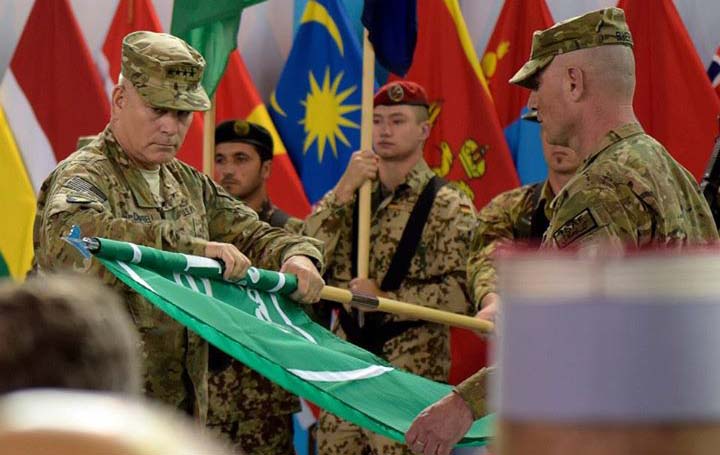
May 1, 2011: Bin Laden Killed
On May 2, 2011, U.S. forces killed Osama bin Laden during a raid on a compound in Abbottabad, Pakistan, exposing Pakistan-based militant safe havens and the double-game of Pakistani intelligence agency. The operation drew international attention and renewed debate in the United States about the future of its military mission in Afghanistan and plans for troop withdrawal.
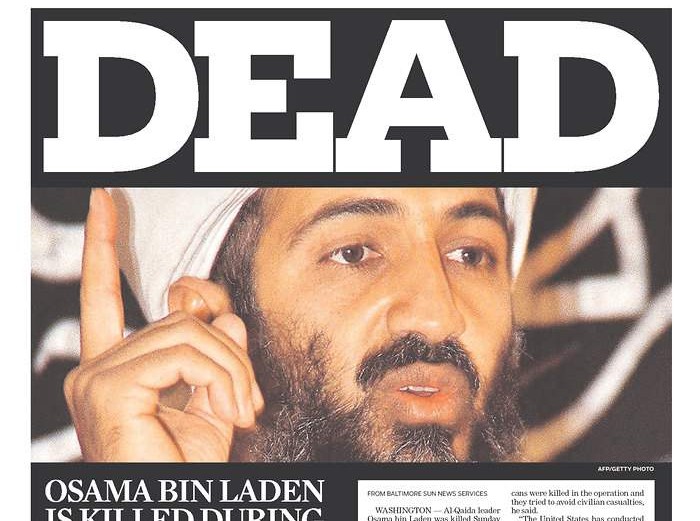
September 20, 2011: Rabbani Assassinated
On September 20, 2011, Burhanuddin Rabbani, former president and chairman of the High Peace Council, was assassinated in his Kabul home by a suicide bomber posing as a Taliban representative. The explosives hidden in the assassin’s turban killed Rabbani instantly. Afghan officials blamed the Haqqani network and Pakistan’s ISI. His assassination weakened efforts to promote reconciliation and advance peace talks.
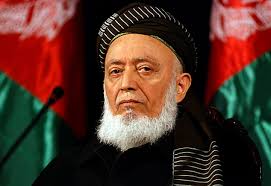
June 18, 2013: Security Transition Complete
On June 18, 2013, Afghan forces assumed nationwide security control as NATO’s ISAF combat operations formally ended, transferring responsibility for the remaining 95 districts. Simultaneously, the Taliban opened their political office in Doha, Qatar, infuriating President Karzai by using the title “Islamic Emirate of Afghanistan.” Karzai suspended bilateral security talks with Washington in protest.
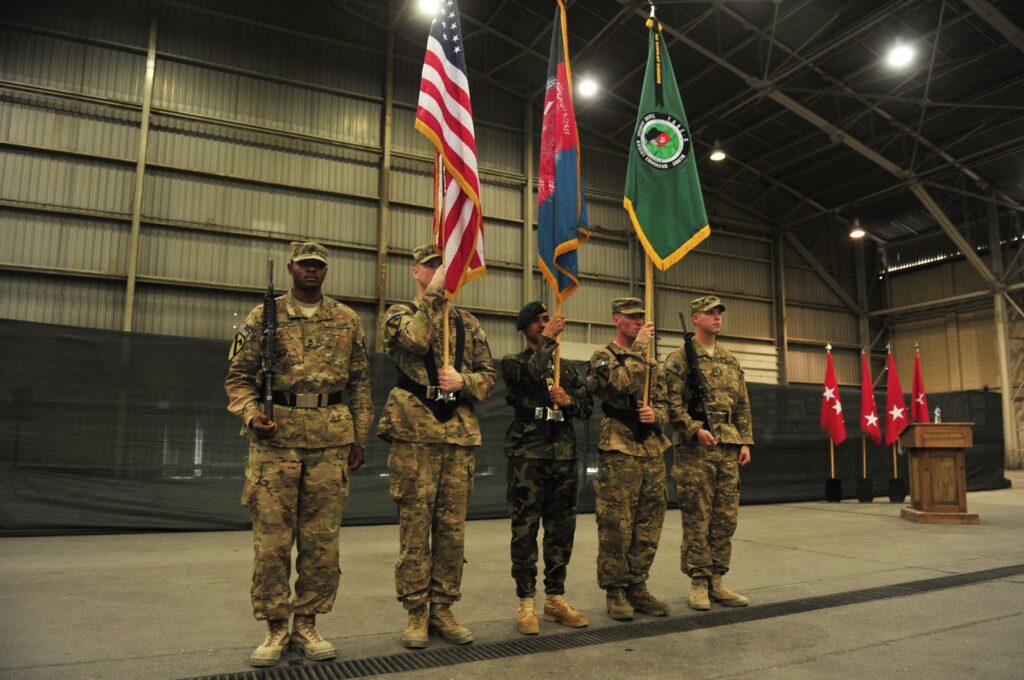
Afghan security forces assume primary combat responsibility.
September 21, 2014: National Unity Government
On September 21, 2014, Ashraf Ghani and Abdullah Abdullah signed a U.S.-mediated power-sharing agreement after months of disputed election results. The agreement created a National Unity Government, with Abdullah serving as Chief Executive, but political disagreements frequently complicated decision-making.
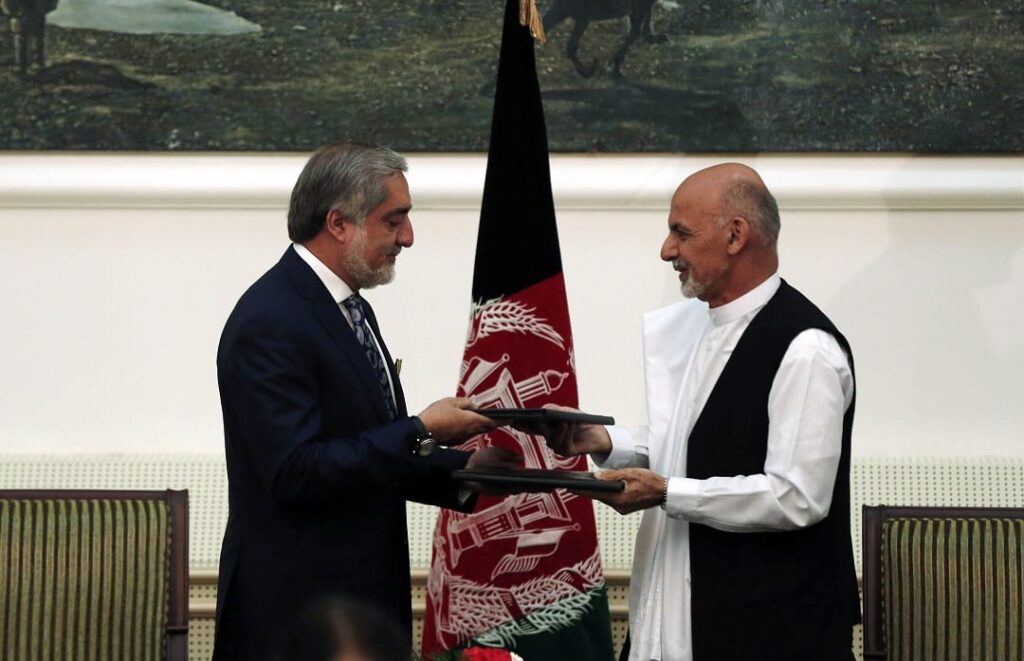
President Ashraf Ghani and Chief Executive Abdullah Abdullah form joint government, 2015.
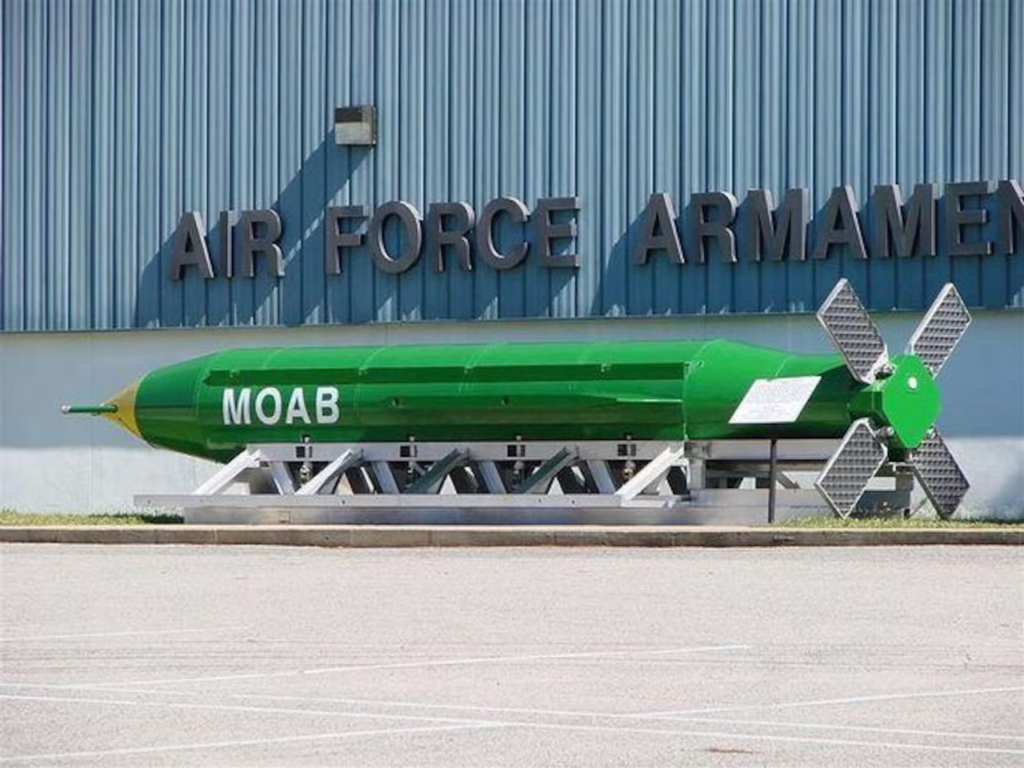
April 13, 2017: ‘Mother of All Bombs’ used
On April 13, 2017, U.S. forces dropped the GBU-43/B Massive Ordnance Air Burst—the most powerful non-nuclear weapon—on alleged Islamic State Khorasan Province tunnel complexes in Nangarhar’s Achin District. President Trump had delegated expanded authority to commanders. The strike reportedly killed 96 militants but highlighted persistent violence, the Islamic State’s emergence, and America’s continuing combat role with nearly 9,000 troops deployed.
February 29, 2020: U.S.–Taliban Deal (Doha Agreement)
On February 29, 2020, U.S. envoy Zalmay Khalilzad and Taliban political chief Mullah Abdul Ghani Baradar signed a landmark withdrawal accord in Doha, Qatar. The agreement promised U.S. troop withdrawal within 14 months in exchange for Taliban counter-terrorism guarantees and intra-Afghan negotiations. Kabul’s government was excluded from direct talks. Violence against Afghan forces and civilians continued unchanged throughout negotiations.
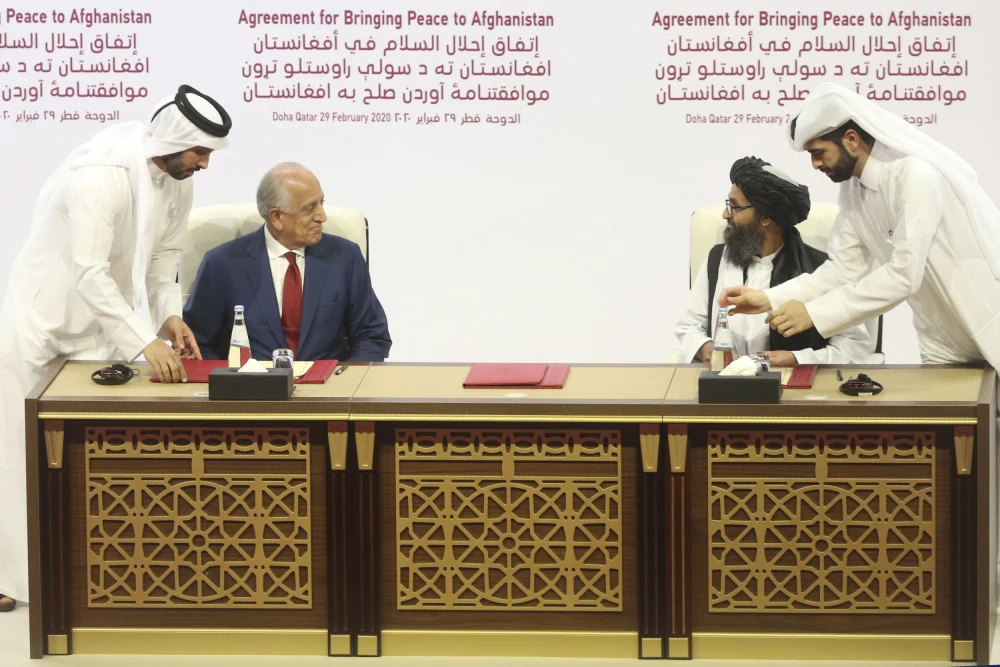
U.S. Envoy Zalmay Khalilzad and Taliban representatives signing accord in Doha, 2020.
September 12, 2020: Intra-Afghan Talks Begin
On September 12, 2020, Taliban representatives and Afghan government delegates met face-to-face for the first time in Doha, Qatar, following months of prisoner release delays. The talks, brokered by Qatar and the U.S., aimed to establish a post-withdrawal political framework. Deep divisions over governance systems—Taliban’s Islamic Emirate vision versus the constitutional republic—stalled progress while violence continued across the country.
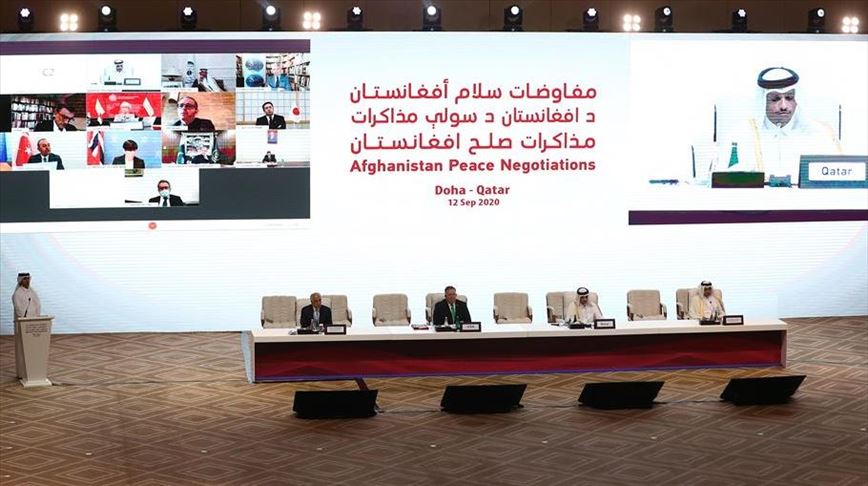
Intra-Afghan peace Negotiations in Doha, Sep 12, 2020.
April 14, 2021: Biden’s Withdrawal Announcement
On April 14, 2021, President Joe Biden declared that all remaining 2,500 U.S. troops would exit Afghanistan by September 11, 2021—the 20th anniversary of 9/11—regardless of ground conditions or Taliban compliance. Rejecting the May 1 deadline set under the Trump administration’s Doha agreement, Biden declared “it’s time to end America’s longest war.” The announcement marked the final phase of the international military withdrawal from Afghanistan.
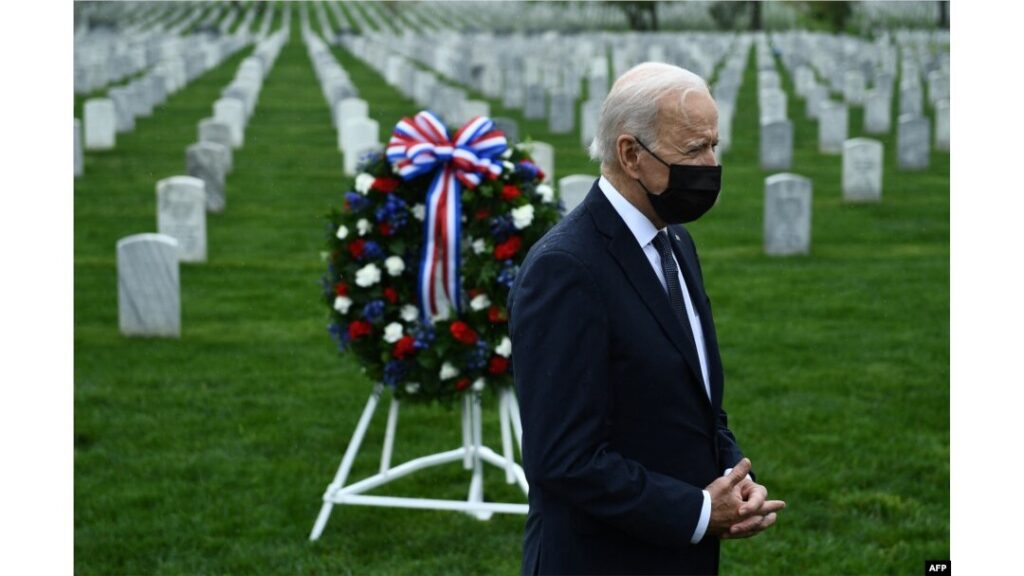
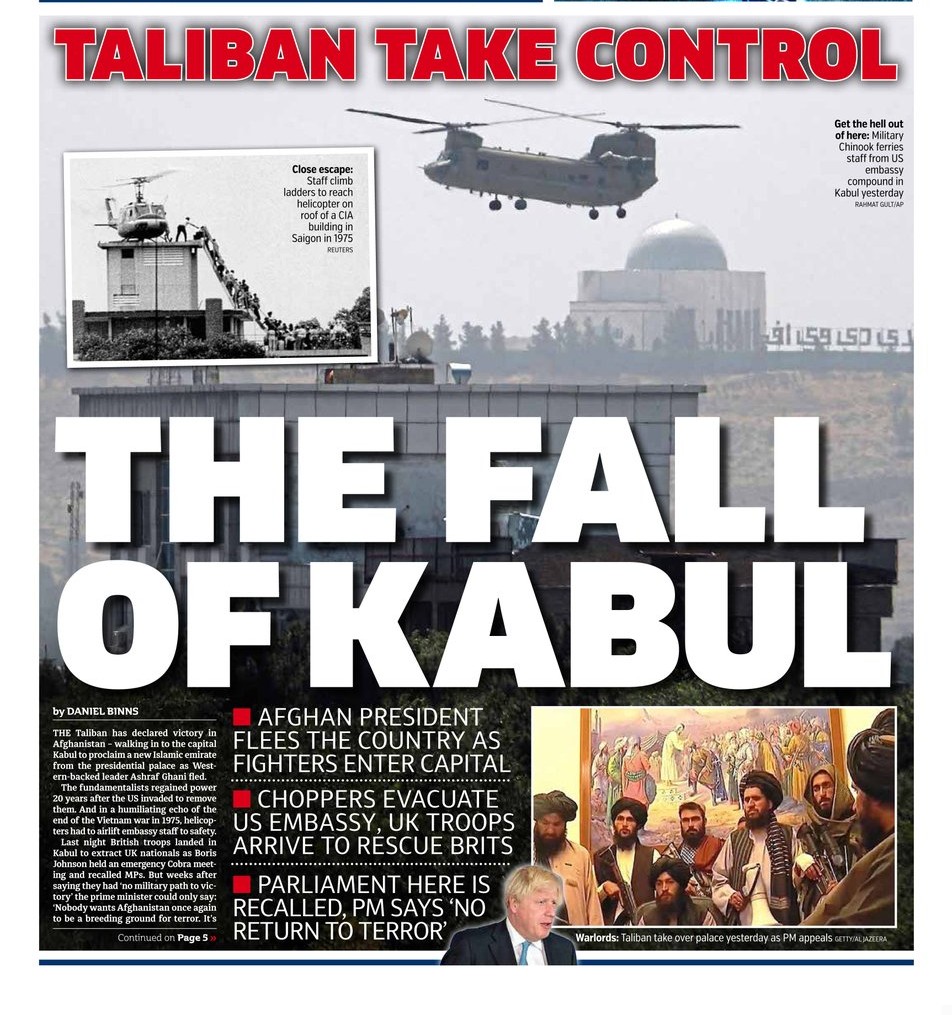
August 15, 2021: Kabul Falls
On August 15, 2021, Taliban fighters entered Kabul without resistance as President Ashraf Ghani fled the country. The Islamic Republic collapsed within days as security forces dissolved across the country. The Taliban seized the presidential palace, declaring victory and ending two decades of U.S.-supported state-building. Thousands rushed to Kabul airport seeking evacuation, marking the end of the Islamic Republic and the conclusion of the twenty-year international intervention.
August 30, 2021: Last U.S. Soldier Leaves
On August 30, 2021, the last U.S. troops departed Afghanistan, completing the withdrawal that had been announced earlier that year. Their departure brought nearly two decades of American military involvement in Afghanistan to an end.
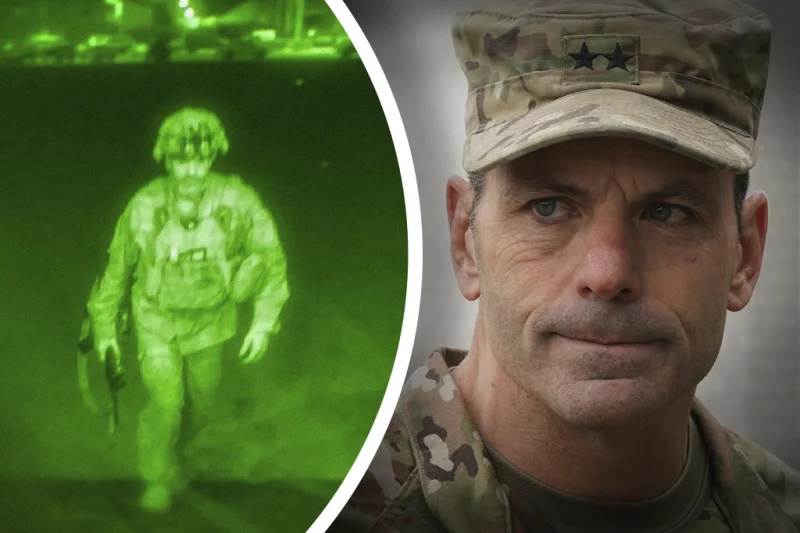
Maj. Gen. Chris Donahue, the last serving member of the US military to leave Afghanistan, Aug 30, 2021
September 2021: Taliban Government Formed
On September 7, 2021, the Taliban announced an all-male, clerical interim government led by Mullah Mohammad Hasan Akhund, a close associate of Mullah Omar, and dominated by Haqqani network figures including Sirajuddin Haqqani as interior minister. Within months, severe restrictions on women’s education and employment returned—banning girls from secondary schools in March 2022 and barring women from most NGO work.
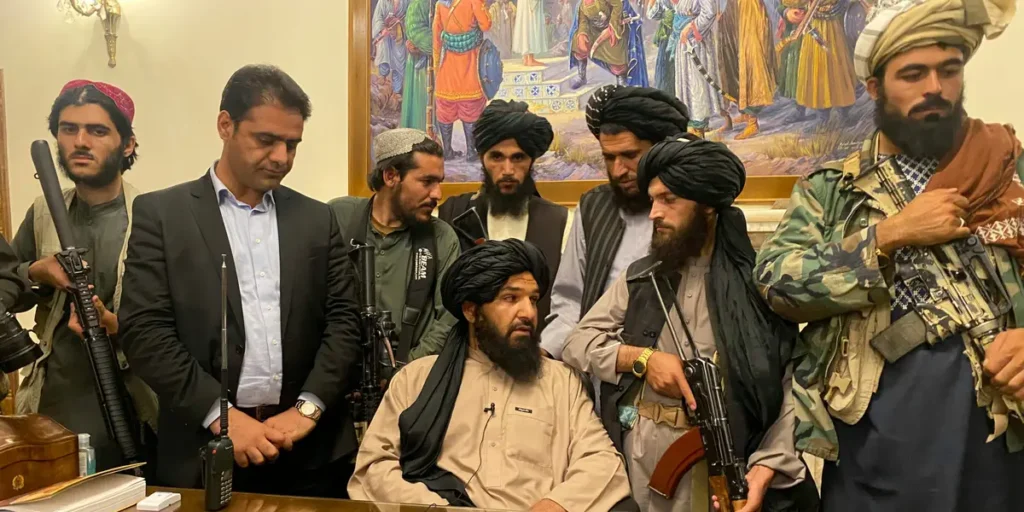
Taliban fighters occupy the Presidential Palace in Kabul, August 2021.
December 2022: Women Excluded from Universities
In March 2022, the Taliban banned girls from secondary education, reversing earlier promises of a softer rule. On December 20, 2022, they barred women from universities and employment which prompted global condemnation. The UN described the systematic exclusion as “gender apartheid”—a crime against humanity. Despite continued humanitarian assistance and international engagement, the Taliban did not make any significant political concessions.
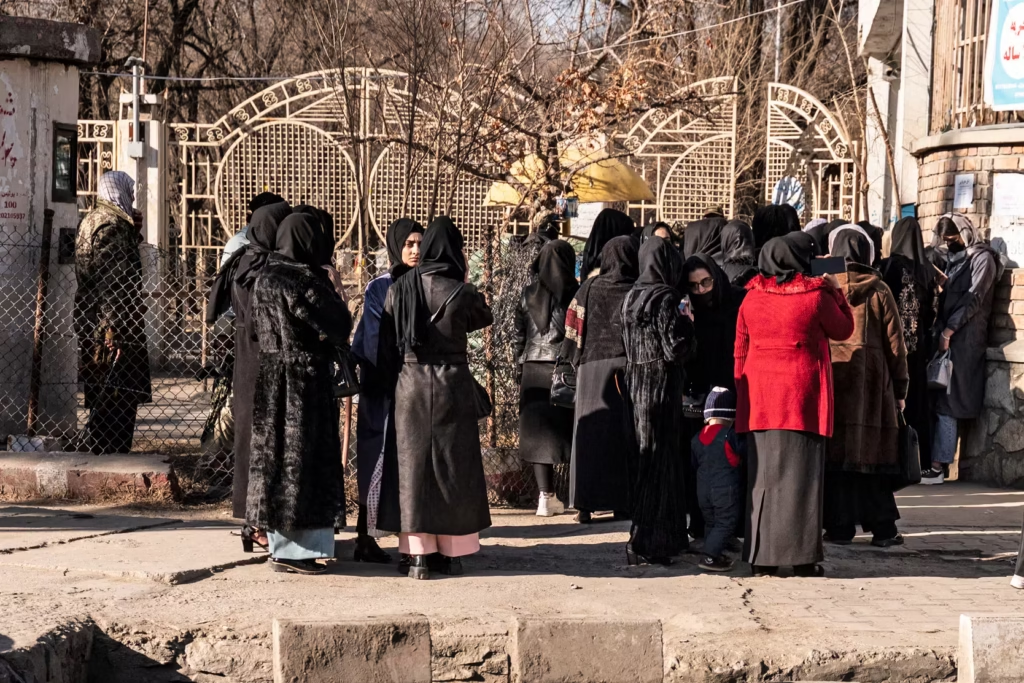
Taliban fighters block female students from entering Kabul University, December 21, 2022.
2023 – 2024: Recognition Dilemma
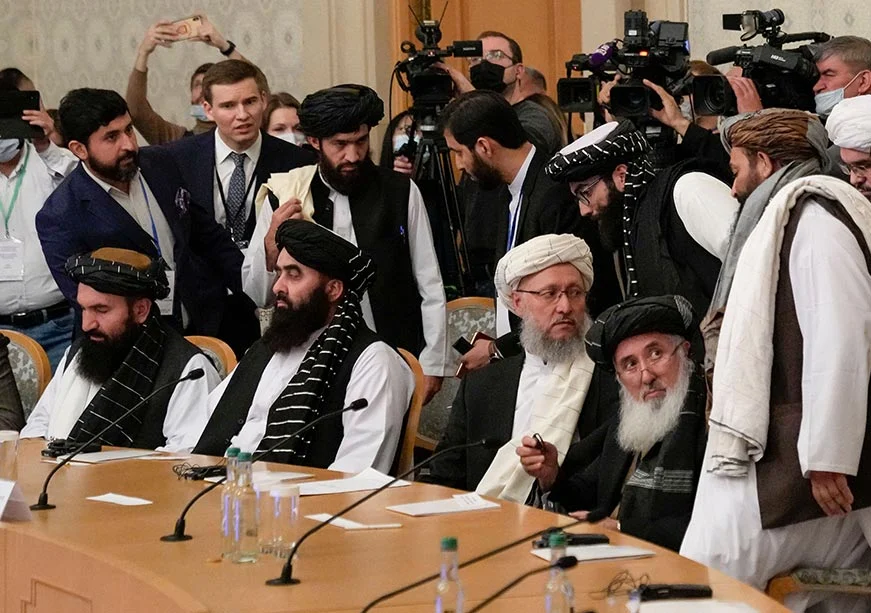
By 2025, no state formally recognized the Taliban government, though China, Russia, Iran, and Pakistan engaged through diplomatic and economic channels. ISIS-Khorasan continued deadly attacks on Shia Hazara targets—including hospitals, schools, and mosques—emerging as the Taliban’s primary security threat. Regional dialogues, particularly UN-hosted meetings in Doha, emphasized stability and counterterrorism over human rights conditions.
2025: Consolidation and Resistance
By 2025, the Taliban consolidated control across all 34 provinces, continuing military operations against armed opposition groups, including the National Resistance Front. However, economic collapse persisted—GDP shrank by 30%, unemployment exceeded 40%, and over 90% of the population faced food insecurity. Women’s rights restrictions remained unchanged. Regional actors—Pakistan, China, Iran, and Russia—maintained limited trade and diplomatic engagement without formal recognition.
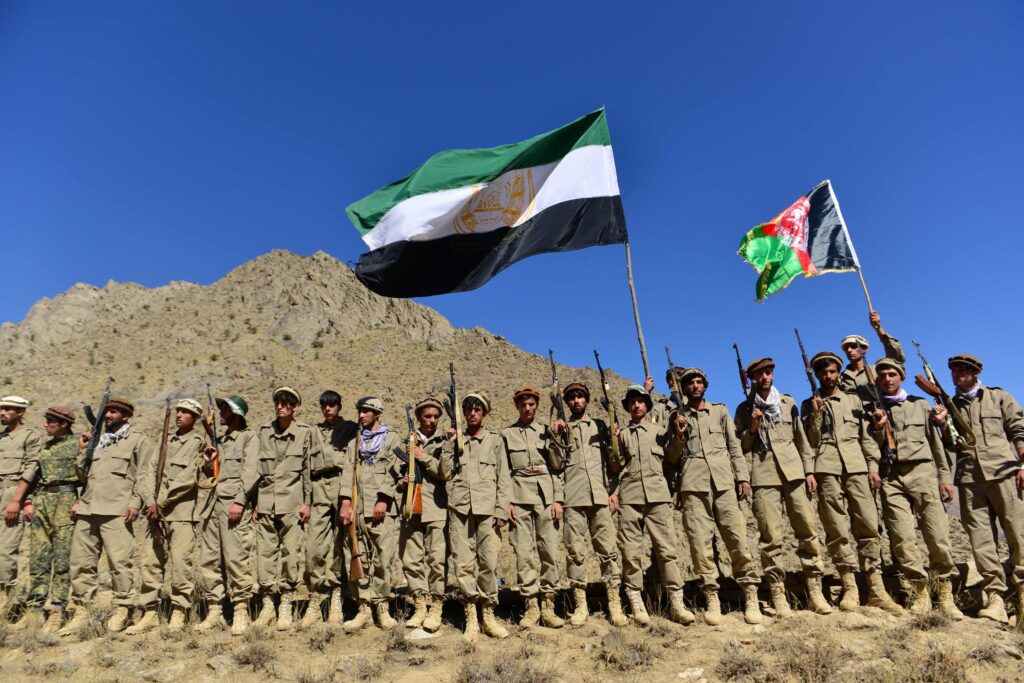
Anti-Taliban forces train in Panjshir, Sept 2, 2021.
February 2026: Uncertain Future
In February 2026, Afghanistan entered its fifth year under the restored Islamic Emirate, with the Taliban firmly in power but diplomatically isolated. Russia became the only country to recognize the Taliban. Humanitarian aid from the UN and NGOs sustained a heavily dependent economy, with over 23 million facing acute hunger. The country’s future remained uncertain—caught between recognition demands, rights abuses, and growing poverty.
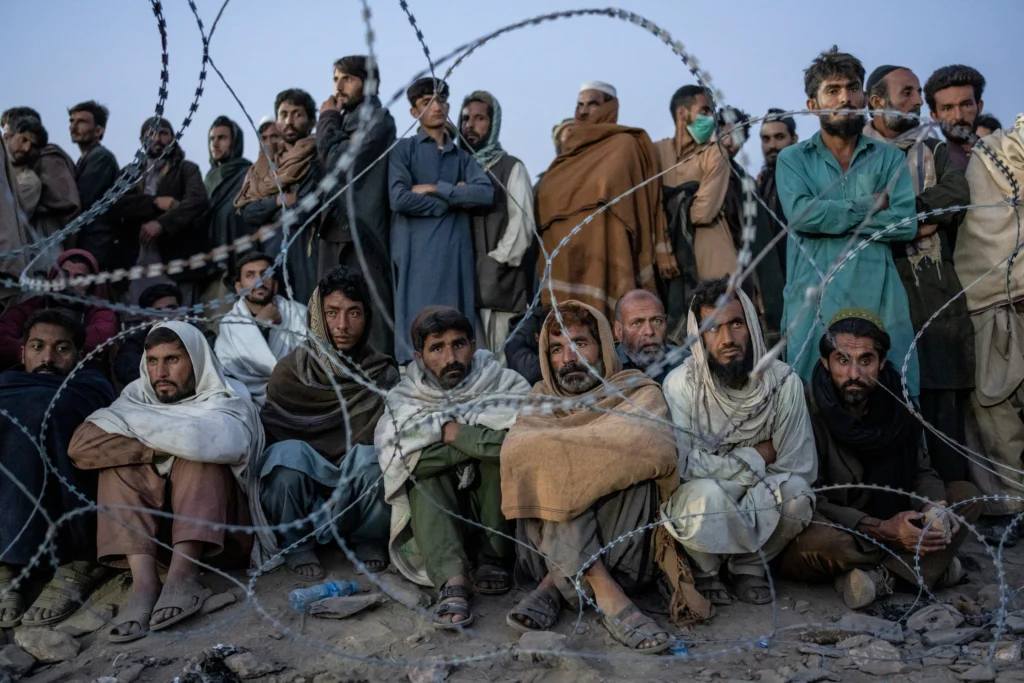
Afghan refugees wait to register in a camp near the Torkham crossing, Nov 4, 2023.